

ENVIRONMENT Environmental Value Our Environmental Initiatives

“Information and Communications” as Infrastructure for a Sustainable Planet.
Vision Inc. regards the preservation of the global environment, including addressing climate change,
as one of the most important issues for the continuity of its business. In addition to reducing our own greenhouse gas emissions,
we contribute to reducing the environmental impact of society as a whole through our core information and communications services,
including paperless operations and the promotion of digital transformation (DX).
External Recognition
-
CDP Climate Change Score: B
Through our disclosures to CDP, an international environmental information disclosure system, our climate-related risk strategies and governance transparency have been highly recognized. Since we began responding in 2023, we have steadily maintained and improved our score.
-
CDP Supplier Engagement: Highest Rating of A
Our framework for advancing decarbonization across the entire supply chain has been recognized, resulting in our selection to the highest-rated Leaderboard for the second consecutive year.
-
Science-Based Targets Validated by the SBTi (2024)
To help achieve the Paris Agreement’s 1.5°C goal, we have established science-based greenhouse gas emissions reduction targets and had them validated by the Science Based Targets initiative (SBTi).
- Scope 1 and 2 4.2% annual reduction
- Scope 3 2.5% annual reduction


Targets and Data
-
Implementation of Decarbonization Management A(Scope 1 and 2)
2030 KPI TargetImprovement Rate of Electricity Emission Factors(kg-CO₂/kWh)
30% reduction
We are promoting energy efficiency, equipment upgrades, and the transition to hybrid company vehicles.Actual electricity emission factor: 0.422 kg-CO₂/kWh (2025).
-
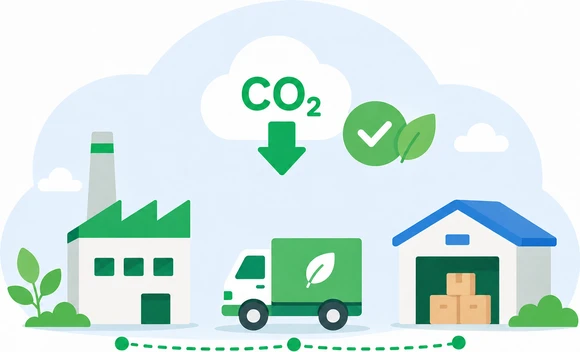
Supply Chain Emissions Management(Scope 3)
2030 KPI TargetPercentage of Major Suppliers with Tracked GHG Emissions(Non-consolidated)
85%
We regard reducing emissions across the entire supply chain as an important issue and are strengthening collaboration with suppliers.
-
Enhancing Environmental Awareness and Human Resource Foundations
2030 KPI TargetParticipation Rate in Environmental Education Programs(Group-wide)
100%
We enhance environmental literacy company-wide and are promoting self-directed decarbonization initiatives.



Our Environmental Actions: Driving Change from the Front Lines
-
Promoting Paperless Operations through IT
Using our own VWS Attendance Management service and the Legal Sign electronic contract system, we are actively promoting paperless operations both within and outside the Company. We have also introduced carbon-offset products for multifunction printers and other equipment, steadily reducing CO₂ emissions from day-to-day business activities.
-
Use of Renewable Energy at Our Offices and Facilities
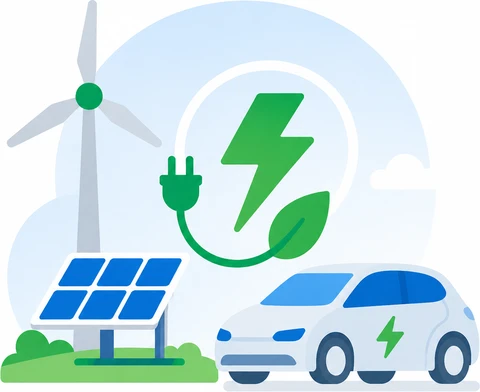
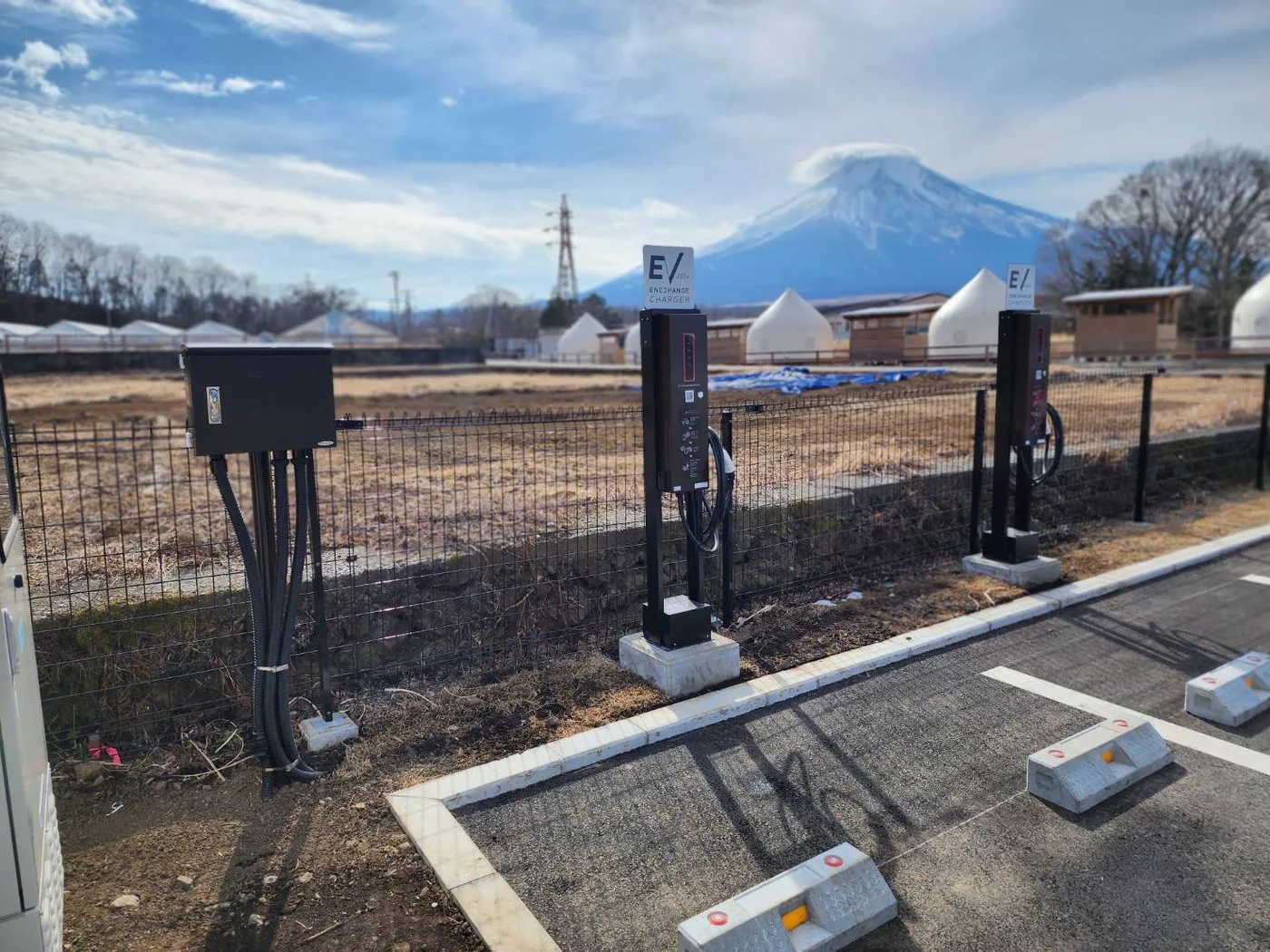
As an initiative extending beyond information and communications, we are promoting the installation of EV (electric vehicle) charging stations at the glamping facilities we operate. We are also exploring the introduction of on-site power generation using solar power and other sources, expanding the use of clean energy suited to the characteristics of each location.



TCFD-aligned Disclosures
The Vision Group regards the impact of climate change on management as an important issue.
Based on the framework of the Task Force on Climate-related Financial Disclosures (TCFD),
we disclose information across four areas: Governance, Strategy, Risk Management, and Metrics and Targets.
Governance Structure
The Vision Group has established a structure to oversee and promote sustainability management, including climate change initiatives.
-
Management Structure
We have established the Sustainability Committee, chaired by the President and Representative Director. Its members include executive officers, heads of business divisions, and presidents of Group companies, and it also incorporates advice from external experts, Outside Directors, and Audit and Supervisory Board Members.
-
Board Oversight
The Committee identifies medium- to long-term material issues (materiality) and oversees environmental impacts, and regularly reports to and discusses these matters with the Board of Directors (the Committee met twice in FY2025).
Strategy
Using internationally recognized scenarios (the 1.5°C and 4.0°C scenarios), we assess and identify climate-related risks and opportunities across our value chain.
-
Risk Identification and Assessment Process
The identified climate-related risks are classified and assessed from two perspectives: impact on operating profit (High: ¥1 billion or more; Medium: ¥100 million or more; Low: less than ¥100 million) and time horizon (short term: within 3 years; medium term: 4–10 years; long term: 11 years or more).
Key Risks and Opportunities
| Risk and Opportunity Category | Scenario | Risk Description | Time Horizon | Impact on Business/Financial Performance (Operating Profit) | Response Measures | |
|---|---|---|---|---|---|---|
| Transition Risk | Policy and Regulation | 1.5℃ |
|
Short term | Low |
|
| Technology and Market |
|
Medium term | High |
|
||
| Reputation |
|
Long term | Medium |
|
||
| Physical Risk | Acute | 4℃ |
|
Short term | High |
|
| Chronic |
|
Medium term | Low |
|
||
| Opportunities |
|
Long term | Medium |
|
||
Risk Management
Based on 1.5°C and 4.0°C scenarios for future climate change, the Vision Group identifies potential risks and opportunities for each stakeholder across the value chain. We examine them from both transition-risk and physical-risk perspectives and continuously assess and manage their impact on the business.
-
Integration with Company-wide Risk Management
We have established the Risk Management Committee, composed of management members and chaired by the President and Representative Director. Climate-related risk is managed as one of the key risks requiring a company-wide response, and we are prioritizing its management and response measures.
Metrics and Targets (GHG Emissions Performance)
The Vision Group has established greenhouse gas (GHG) emissions reduction targets that have been validated by the Science Based Targets initiative (SBTi).
(t-CO₂e)
annual
reduction 4.2%
annual
reduction
Greenhouse Gas (CO₂) Emissions Performance and Targets
| Category | 2022 Actual (t-CO₂e) | 2024 Actual (t-CO₂e) | 2030 Target (SBT) | ||
|---|---|---|---|---|---|
| Scope1 | 238.53 | 561.36 | 4.2% annual reduction | ||
| Scope 2 (location-based) | 859.08 | 1,371.63 | 4.2% annual reduction | ||
| Scope 2 (market-based) | 809.57 | 1,378.12 | 4.2% annual reduction | ||
| Scope3 | Category 1 | Purchased goods and services | 26,180.73 | 40,522.09 | 2.5% annual reduction |
| Category 2 | Capital goods | 5,166.57 | 3,436.32 | ||
| Category 3 | Fuel- and energy-related activities (not included in Scope 1 or Scope 2) | 187.54 | 372.05 | ||
| Category 4 | Upstream transportation and distribution | 1,370.28 | 2,039.99 | ||
| Category 5 | Waste generated in operations | 348.37 | 702.9 | ||
| Category 6 | Business travel | 394.09 | 596.38 | ||
| Category 7 | Employee commuting | 75.85 | 117.93 | ||
| Category 8 | Upstream leased assets | Not applicable | Not applicable | ||
| Category 9 | Downstream transportation and distribution | 1.14 | 20.04 | ||
| Category 10 | Processing of sold products | Not applicable | Not applicable | ||
| Category 11 | Use of sold products | 3,222.27 | 2,717.36 | ||
| Category 12 | End-of-life treatment of sold products | 100.53 | 11.54 | ||
| Category 13 | Downstream leased assets | 553.22 | 3,346.87 | ||
| Category 14 | Franchises | Not applicable | Not applicable | ||
| Category 15 | Investments | 105.25 | 100.42 | ||
| Total | 37,705.83 | 53,983.9 | |||